Discover Premium Makhana: India's Nutritional Treasure
- kundan Kumar
- Feb 15
- 3 min read

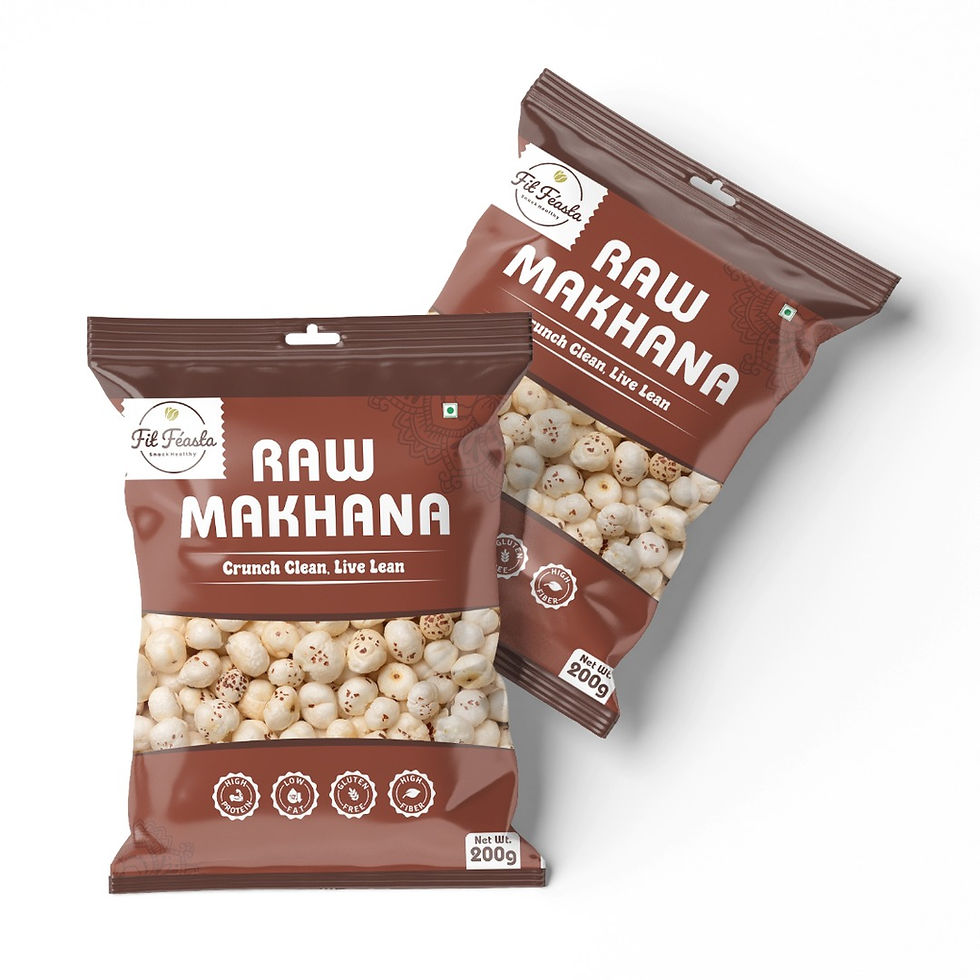
Makhana, also known as fox nuts or lotus seeds, has been a staple in Indian cuisine for centuries. Often overlooked, this nutrient-dense snack is gaining recognition for its health benefits and culinary versatility. In this blog post, we will explore the origins of makhana, its nutritional profile, health benefits, culinary uses, and how to incorporate it into your daily diet.
The Origins of Makhana
Makhana is derived from the seeds of the Euryale Fox plant, which grows in water bodies across India, particularly in the states of Bihar, Uttar Pradesh, and West Bengal. Traditionally, harvesting makhana involves a labor-intensive process where farmers collect the seeds from the water, dry them, and then roast them to create the crunchy snack we enjoy today.
Cultural Significance
In Indian culture, makhana is often associated with festivals and rituals. It is commonly used in various religious offerings and is a popular ingredient in sweets and savory dishes during celebrations. Its significance extends beyond just food; it symbolizes prosperity and health.
Nutritional Profile of Makhana
Makhana is not just a tasty snack; it is also packed with essential nutrients. Here’s a breakdown of its nutritional content per 100 grams:
Calories: 347
Protein: 9.7 grams
Fat: 0.1 grams
Carbohydrates: 76.9 grams
Fiber: 14.5 grams
Calcium: 55 mg
Iron: 1.2 mg
Magnesium: 97 mg
Health Benefits
Rich in Antioxidants
Makhana contains antioxidants that help combat oxidative stress in the body. This can reduce the risk of chronic diseases and promote overall health.
Weight Management
With its low-calorie and high-fiber content, makhana is an excellent snack for those looking to manage their weight. The fiber keeps you feeling full longer, reducing the likelihood of overeating.
Heart Health
Makhana is low in saturated fat and cholesterol-free, making it a heart-friendly snack. Its potassium content helps regulate blood pressure, further supporting cardiovascular health.
Diabetes Management
The low glycemic index of makhana makes it a suitable snack for diabetics. It helps in maintaining stable blood sugar levels, making it a smart choice for those managing diabetes.
Bone Health
Makhana is a good source of calcium and magnesium, both of which are essential for maintaining strong bones and preventing osteoporosis.
Culinary Uses of Makhana
Makhana is incredibly versatile and can be used in various dishes. Here are some popular ways to incorporate it into your meals:
Snacks
Roasted Makhana: Simply roast makhana in a pan with a little ghee and your choice of spices for a crunchy snack.
Makhana Chaat: Combine roasted makhana with chopped vegetables, yogurt, and spices for a delicious chaat.
Sweets
Makhana Kheer: A traditional Indian dessert made by simmering makhana in milk with sugar and cardamom.
Makhana Ladoo: Blend roasted makhana with jaggery and nuts to create energy balls that are perfect for a quick snack.
Savory Dishes
Makhana Curry: Add makhana to your favorite curry for added texture and nutrition.
Makhana Porridge: Cook makhana with milk and spices for a nutritious breakfast option.
How to Incorporate Makhana into Your Daily Diet
Incorporating makhana into your diet is easy and can be done in several ways:
As a Snack: Keep a pack of roasted makhana handy for a quick, healthy snack.
In Breakfast: Add makhana to your morning smoothie or oatmeal for an extra boost of nutrition.
In Salads: Toss makhana into salads for added crunch and flavor.
In Baking: Use ground makhana flour as a gluten-free alternative in baking recipes.
Conclusion
Makhana is truly a nutritional treasure that deserves a place in your pantry. With its impressive health benefits and versatility in the kitchen, it is an excellent choice for anyone looking to improve their diet. Whether you enjoy it as a snack, in sweets, or as part of a savory dish, makhana can enhance your meals while providing essential nutrients.
So, why not give makhana a try? Explore its unique flavors and textures, and discover how this ancient Indian superfood can contribute to your health and well-being.


Comments